
Electrostatic precipitator will inevitably fail during long-term use. If you wait for professionals to repair it every time, it will affect the normal operation of the kitchen. Mastering some common troubleshooting methods can quickly solve 80% of small problems and reduce downtime.

Fault 1: No response after the device is powered on
Possible causes and troubleshooting steps:
- Check whether the power socket is powered on (other electrical appliances can be used for testing). If there is no power, check whether the circuit is tripped or the fuse is blown;
- Check whether the power switch of the device is damaged (use a multimeter to detect the conductivity of the switch). If damaged, replace the switch of the same specification;
- Confirm whether the internal fuse is blown (open the circuit compartment of the device to check). The blown may be caused by unstable voltage or short circuit. After replacing the fuse, check whether the circuit has short circuit points (such as aging and adhesion of wires).

Fault 2: There is an abnormal sound during operation
Mostly caused by loose components or oil accumulation:
- After turning off the equipment, check whether there are foreign objects in the fan impeller (such as screws, oil blocks), clean it and test run it;
- Check whether the impeller is loose (turn the impeller by hand, if there is shaking, tighten the screws);
- If the abnormal sound is a "friction sound", it may be that the gap between the impeller and the casing is too small, and the spacing needs to be adjusted (it is recommended to be operated by professionals).

Fault 3: Sudden decrease in purification effect
Mainly related to inadequate maintenance:
- Check whether the filter or dust collecting plate is seriously oily. If the thickness of the oil stain exceeds 0.3 cm, it needs to be cleaned immediately;
- Check whether the fan air volume is normal (use an anemometer to detect the outlet wind speed. If it is significantly lower than the rated value, it may be a fan failure or pipe blockage);
- For electrostatic equipment, check whether the high-voltage module is normal (observe whether there is a weak spark on the dust collecting plate. If there is no spark, it may be a module damage).

Fault 4: Frequent automatic shutdown of the equipment
Mostly due to the activation of the protection mechanism:
- Check whether the equipment is overheated (whether it is hot to touch the body). If it is overheated, clean the heat dissipation holes and check whether the fan is working;
- Check whether the power supply voltage is stable (use a voltmeter to detect. Voltage fluctuations exceeding ±10% will trigger protection). A voltage stabilizer is required;
- Electrostatic equipment may cause a short circuit due to excessive oil stains, triggering overload protection. The dust collecting plate needs to be thoroughly cleaned.
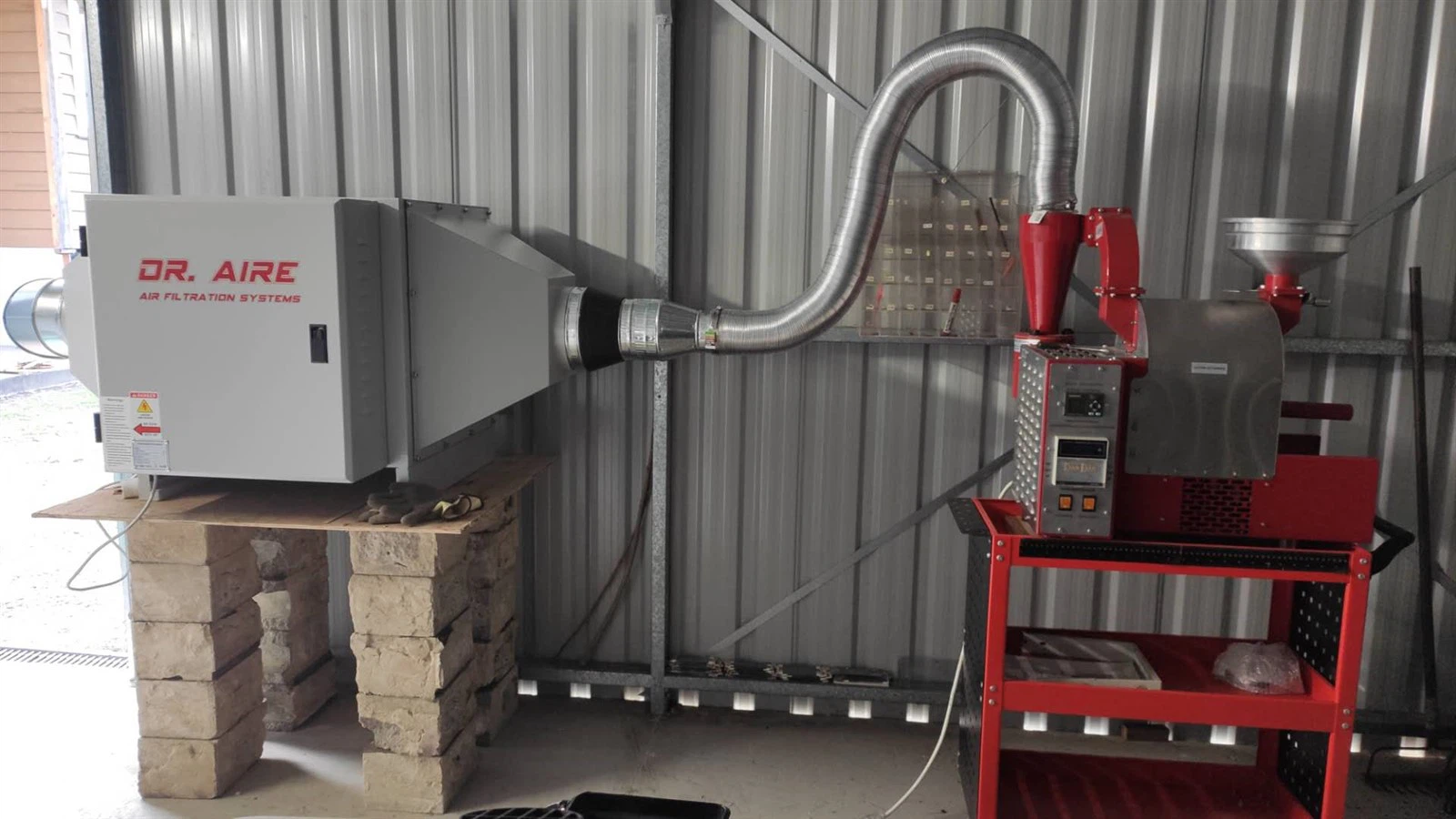
Mastering these troubleshooting methods can respond quickly when a minor fault occurs in the equipment and reduce the impact on operations. However, please note: For complex issues involving high-voltage circuits, replacement of core components, etc., you still need to contact professional maintenance personnel to avoid safety accidents caused by improper operation.


